Antidepressant Affects on The Thyroid
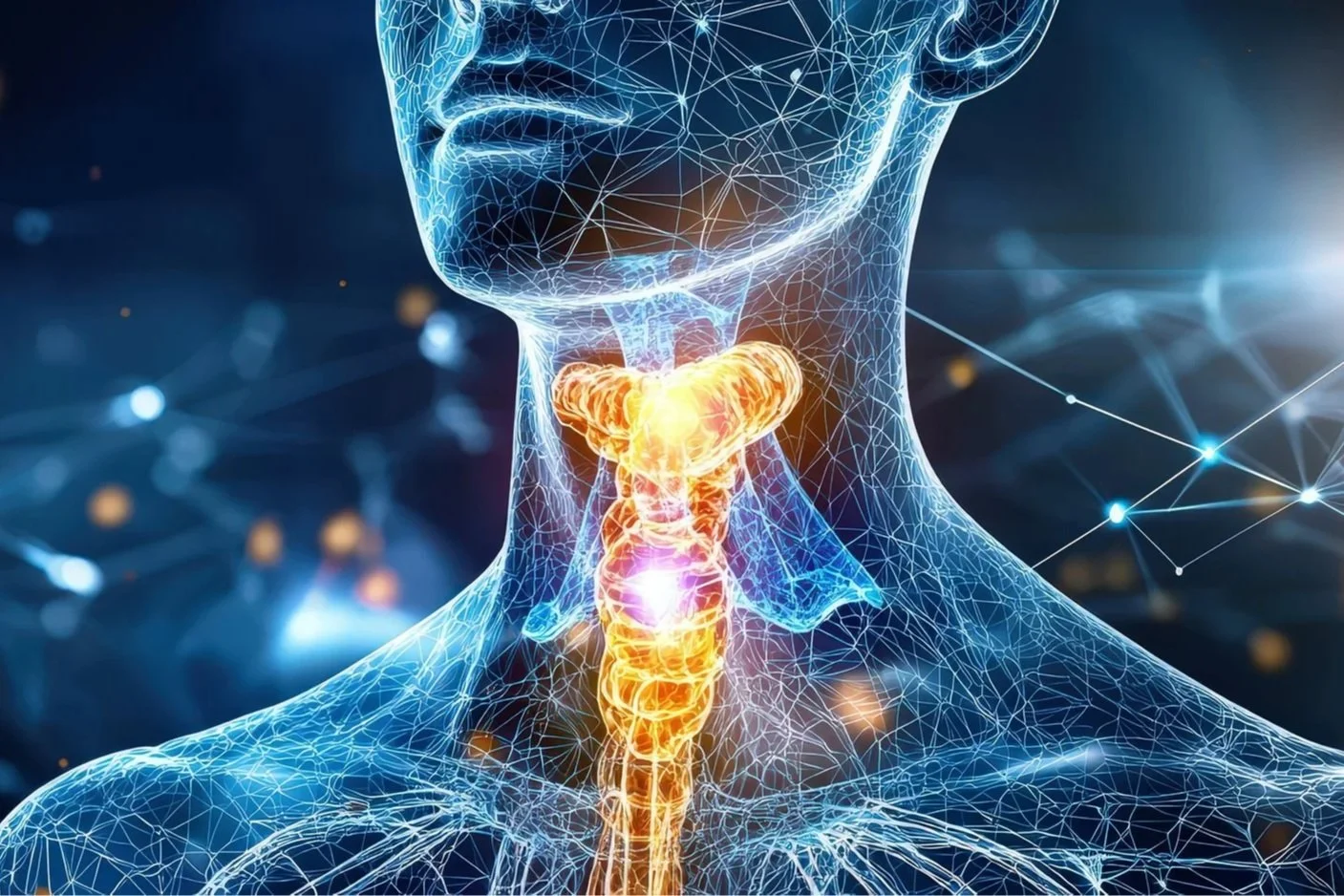
I have been on Zoloft for five years. I was prescribed it for anxiety, took it faithfully, and never once had a conversation with any of my providers about what it might be doing to the rest of my body beyond my brain. Today I went down a research rabbit hole and what I found genuinely stopped me.
Here is what sent me there. I have been diagnosed with gradual hearing loss. I have seen an ENT, an audiologist, and had an MRI. And yet I still feel water in my ear even though every specialist has told me there is nothing there. I have been waking up at night and in the morning with numb hands. And I have been gaining weight despite being on HRT for over two years, which should theoretically support weight regulation. Three seemingly unrelated symptoms that no one has been able to fully connect. That combination sent me looking for answers and what I found tied all three of them back to one thing: thyroid dysfunction.
SSRIs and your thyroid
SSRIs, including Zoloft, have been documented to inhibit thyroid hormones T4 and T3. That sounds clinical so let me make it plain: the medication many of us take for anxiety and depression can suppress the hormones responsible for energy, metabolism, mood, sleep, weight regulation, and cognitive function. And here is the part that really got me. This suppression does not always show up on a standard TSH test. Your doctor runs a thyroid panel, TSH looks normal, and everyone moves on. The problem can be happening underneath that number, invisible.
A 2023 paper from Nassau University Medical Center documented a patient whose TSH was inexplicably suppressed for nearly two years. No autoimmune markers. No obvious cause. When her SSRI was switched to a non-SSRI antidepressant, TSH returned to her prior baseline within weeks. The SSRI was the cause the whole time and nobody had considered it.
The Hashimoto's connection
This matters even more for people who may already have Hashimoto's thyroiditis. Here is the cruel irony: Hashimoto's is an autoimmune condition where the body attacks the thyroid, and it is strongly associated with depression and anxiety even when thyroid hormone levels are technically normal. It is entirely possible that the depression or anxiety that led to the SSRI prescription was being driven by thyroid autoimmunity all along. The medication was treating a symptom of a condition that was never identified.
A 2024 meta-analysis found that people with Hashimoto's have two and a half times higher odds of anxiety disorders and significantly higher depression scores compared to people without it, even when their thyroid labs look fine. The antithyroid antibodies themselves appear to drive mood disruption independently of hormone levels.
The ear, the hands, and the weight
This is where it got personal for me. Hashimoto's is linked to autoimmune inner ear disease, tinnitus, and hearing problems. The same autoimmune inflammation that attacks the thyroid gland can attack the structures of the inner ear, creating symptoms like the persistent sensation of water or pressure that does not show up on imaging or standard examination. For people experiencing unexplained ear symptoms alongside mood issues and fatigue, thyroid autoimmunity is a thread worth pulling.
The numb hands are also a documented symptom of thyroid dysfunction. Hypothyroidism slows fluid clearance in the tissue surrounding the nerves. When thyroid hormone levels are suboptimal, even subtly, fluid builds up and compresses the median nerve, particularly at night and in the morning when the body has been still for hours.
And the weight. This one may be the most common and most dismissed symptom of hypothyroidism. The thyroid regulates metabolism at a cellular level. When thyroid hormone production or conversion is impaired, the metabolism slows and weight accumulates in ways that do not respond to the usual interventions. For anyone who has been on HRT and is still experiencing unexplained weight gain, this distinction matters. HRT addresses estrogen and progesterone. It does not address thyroid hormone levels. The two systems operate on different axes. You can be hormonally supported in one area while quietly deficient in another, and the weight gain will continue until the thyroid piece is identified.
What I am doing about it
Ordering labs I had labs drawn last July. I am ordering a new round this week to compare and see what has changed over the past year.
Removing gluten Starting this week. Gluten can trigger an inflammatory response that mimics the thyroid protein structure, potentially accelerating immune dysfunction in people with Hashimoto's.
Adding selenium-rich foods daily Selenium is essential for converting T4 into active T3. Brazil nuts, sardines, and eggs are going into regular rotation.
Prioritizing sleep Thyroid function, cortisol regulation, and immune health all depend on consistent, quality sleep. Eight hours is the goal.
Cutting refined sugar Sugar drives systemic inflammation and disrupts gut health, working against every other change on this list.
Continuing nervous system regulation Over the past year I have been actively working to regulate my nervous system and have gotten back to a healthier baseline. This work continues. A dysregulated nervous system keeps the body in a chronic stress state that suppresses thyroid function and amplifies autoimmune activity. The progress I have made here is not separate from the thyroid picture. It is part of it.
If you are on an SSRI and something still feels off — fatigue that will not lift, weight that will not budge, unexplained ear symptoms, hands that go numb at night, or a flatness the medication never fully touched — your thyroid may be part of the picture no one has fully mapped. A standard TSH test is not enough. Ask your provider for a full panel including Free T3, Free T4, Reverse T3, TPO antibodies, and thyroglobulin antibodies. Those last two are the ones that identify Hashimoto's specifically.
You are not just a brain on a pill. You are a whole system. And the whole system deserves to be seen.
-----
Nicole Torgersen is an Integrative Nutrition & Health Coach and RYT 200 yoga instructor based in the San Francisco Bay Area. She works with clients one on one, in group coaching programs, and with companies interested in supporting their employees with health and wellness programs. Learn more at nicoletorgersen.com. Nothing in this post constitutes medical advice. Always work with your healthcare provider before making significant dietary changes, especially if you are managing a diagnosed health condition.