Stress Is Raising Your Blood Sugar
I spent 25 years in high-pressure technology leadership. Deadlines, performance reviews, reorgs, budget cycles, team conflict, and the relentless pace of companies that never slow down. I wore busy like a badge and called stress the cost of ambition. What I did not know was that the whole time, my body was quietly responding to all of it in a way that had nothing to do with what I was eating — and everything to do with my blood sugar.
This connection is at the heart of the health coaching work I do with clients today, and it is something I continue to navigate in my own health. Here is what I want you to understand.
What stress actually does to your blood sugar
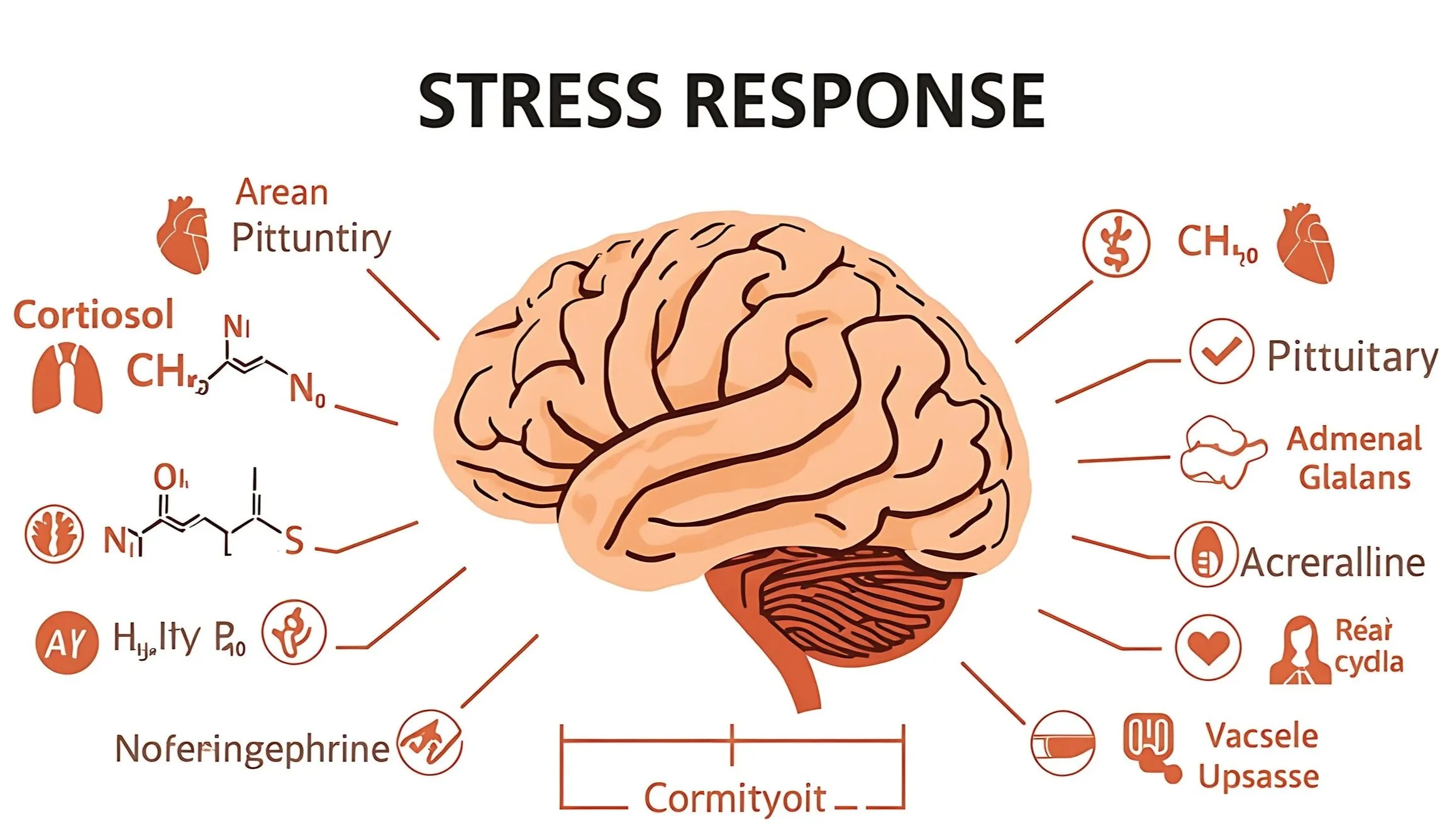
When your brain perceives a threat — whether that is a bear in the woods or an email from your CEO at 11pm — it triggers your adrenal glands to release cortisol and adrenaline. This is your stress response, and it is designed to save your life. In an emergency, you need fast fuel. So your body does something very specific: it signals the liver to release stored glucose into the bloodstream, and it triggers cortisol to produce new glucose from protein through a process called gluconeogenesis. Blood sugar rises rapidly so your muscles have the energy to fight or run.
The problem is that the body cannot distinguish between a predator and a performance review. Both activate the same system. And when stress is chronic — which for most modern adults it is — cortisol and adrenaline are circulating at elevated levels day after day, keeping blood glucose elevated alongside them.
Research published in Diabetes Care and supported by the American Diabetes Association confirms that chronic psychological stress is independently associated with elevated fasting glucose and impaired insulin sensitivity. You can eat a perfect diet and still have dysregulated blood sugar if your nervous system is in a chronic state of activation.
Why this makes you gain weight
Cortisol does not just raise blood sugar. It also promotes fat storage, particularly visceral fat around the abdomen. Elevated insulin, triggered by elevated glucose, signals the body to store rather than burn. And cortisol suppresses metabolism by downregulating thyroid function — the same connection I wrote about in my last post. The weight that will not budge despite clean eating and regular movement often has less to do with what is on your plate and more to do with the state your nervous system is living in.
I experienced this firsthand. Years of high-stress leadership work, a transition out of that world, and still carrying weight I could not fully explain. I was doing the right things and not seeing the results I expected. When I started understanding the cortisol and blood sugar connection more deeply, and doing the actual work of nervous system regulation over the past three years, things started to shift.
The adrenaline piece nobody talks about
Adrenaline works alongside cortisol to raise blood glucose by stimulating glycogen breakdown in the liver and inhibiting insulin secretion. This is why people in high-stress situations often experience a spike and then a crash in energy. It is not just about caffeine or food. The hormonal response to perceived stress is driving the blood sugar roller coaster independently of diet.
A landmark study from Yale School of Medicine found that stress-induced cortisol and adrenaline elevation was sufficient to produce clinically significant blood glucose elevation even in people without diabetes. The body is metabolically responding to stress whether we recognize it or not.
What you can do about it
Nutrition
Stabilize blood sugar through what you eat. Prioritize protein at every meal to slow glucose absorption. Add fiber from vegetables, legumes, and whole grains to buffer the glycemic response. Reduce refined sugar and processed carbohydrates which amplify the glucose spike that stress is already creating. Eat consistently and do not skip meals, which triggers its own cortisol response. Magnesium-rich foods like leafy greens, pumpkin seeds, and dark chocolate support both blood sugar regulation and adrenal function.
Movement
Consistent, gentle movement is one of the most evidence-supported tools for both blood sugar regulation and cortisol reduction. Walking for 20 minutes after meals has been shown to reduce postprandial glucose spikes significantly. Yin yoga activates the parasympathetic nervous system and directly counters the cortisol response. Regular movement builds insulin sensitivity over time, meaning your cells become more efficient at using the glucose in your blood rather than leaving it circulating.
Mindfulness and breathwork
The breath is the fastest access point to the nervous system. Slow, diaphragmatic breathing activates the vagus nerve and shifts the body out of sympathetic dominance into parasympathetic rest. Studies published in the International Journal of Yoga show that consistent mindfulness practice reduces cortisol levels and improves insulin sensitivity in people with elevated blood sugar. Even five minutes of intentional breathing before meals can change how your body processes what you eat.
Stress identification and management
The most underused tool is awareness. Most people cannot name their stressors with precision. They know they feel stressed but have not identified which specific situations, relationships, patterns, or internal narratives are activating the cortisol response. Keeping a stress and blood sugar log together reveals patterns that are invisible otherwise. You begin to see that a certain type of conversation, a specific time of day, or a recurring thought pattern is reliably preceding a glucose spike or a cortisol surge. From there, the work becomes practical: setting boundaries, building recovery time into the day, addressing unresolved emotional patterns, and developing a regulation toolkit that actually fits your life.
Where I am in my own practice
I have been actively working on nervous system regulation for the past three years and have returned to a meaningfully healthier baseline. I also co-lead a health coaching and group education program with a functional medicine physician focused specifically on blood sugar management, lifestyle change, and the hormonal drivers that conventional care often does not address. The connection between stress, cortisol, and blood glucose is at the center of almost every client conversation I have.
Understanding that blood sugar is not just a dietary issue but a nervous system issue changes everything. The path to metabolic health runs through rest, regulation, boundaries, and breath just as much as it runs through food.
-----
Nicole Torgersen is an Integrative Nutrition & Health Coach and RYT 200 yoga instructor based in the San Francisco Bay Area. She works with clients one on one, in group coaching programs, and with companies interested in supporting their employees with health and wellness programs. Learn more at nicoletorgersen.com. Nothing in this post constitutes medical advice. Always work with your healthcare provider before making significant dietary changes, especially if you are managing a diagnosed health condition.